How strong is it, really?
Most drinks sites tell you a bottle is smooth. We'd rather tell you it's 50% alcohol, made in Bengaluru, and that nobody here has tasted it yet. Everything we know, and the gaps where we don't.
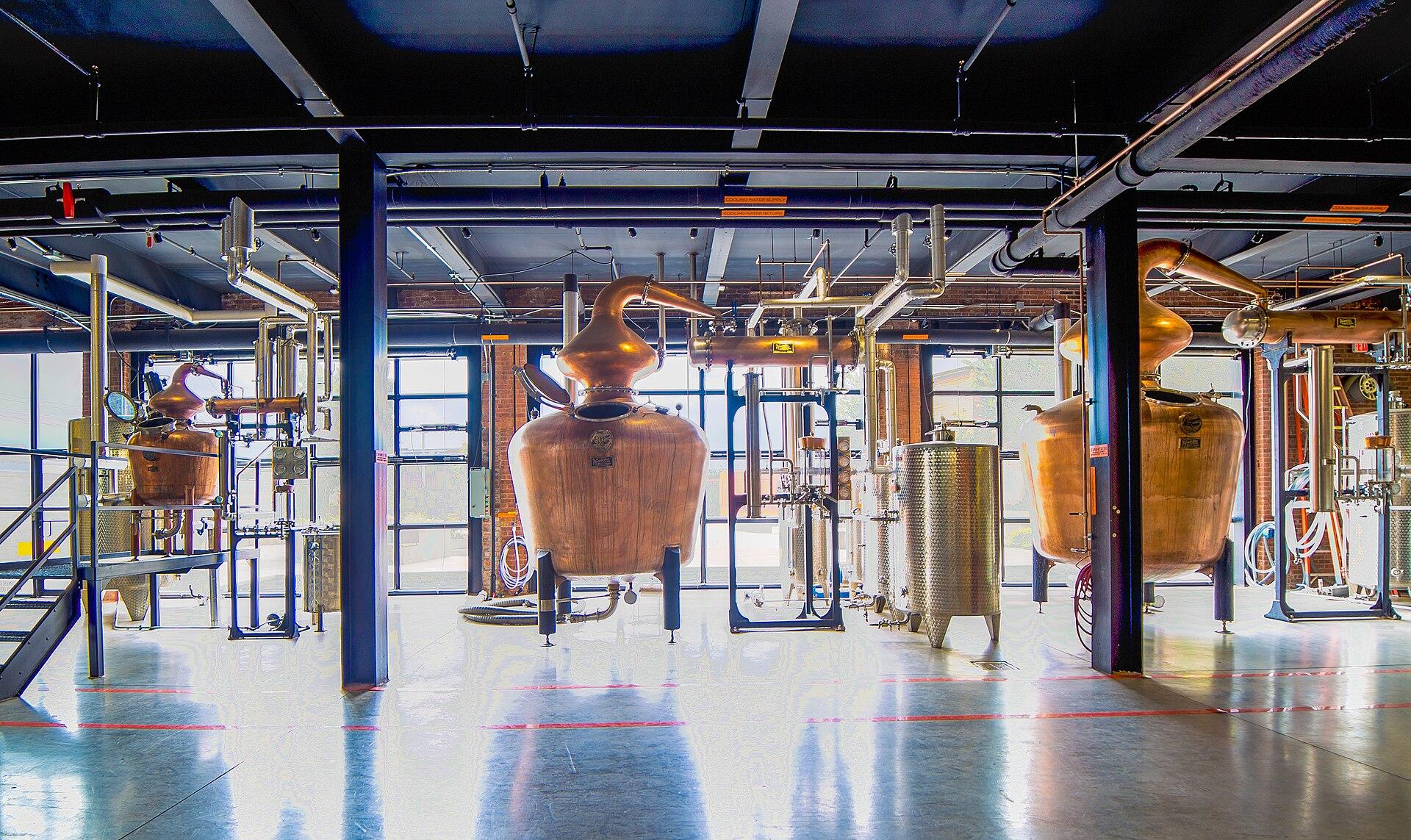
Photo: Copper Pot Stills by Cmyk4317, CC BY-SA 4.0
One from every shelf
All bottles →RATED
Tito's Handmade Vodka
Fifth Generation
RATED
Kahlúa
Kahlúa
RATED
Yamazaki 12 Year Old
Suntory
RATED
Ron Zacapa 23
Rum Creation & Products
RATED
The Botanist Islay Dry Gin
Bruichladdich Distillery
RATED
Torres 10
Miguel Torres
RATED
Patrón Silver
Patrón Spirits
RATED
Pernod Anise
Pernod Ricard
Where to start
All guides →Made in India
The distilleries at home — single malts that beat Scotland at its own awards, plus gin and rum.
The strong stuff
Everything bottled at 46% and above, in order, strongest first.
The gentle end
Under 42% — aperitivi, liqueurs and the softer end of the shelf.
The people who make it
All producers →Amrut Distilleries
India's first single malt had to be launched in Glasgow before India would drink it. The story of how a Bangalore brandy company spent fifty-six years becoming an overnight success.
Read the story →Cuncolim, IndiaPaul John
A Bangalore company built a single malt distillery in South Goa, then launched it in London. The second Indian malt house to be judged abroad before it was sold at home — and the one that proved Amrut wasn't a fluke.
Read the story →Nashik, IndiaSula Vineyards
A Stanford engineer left Oracle, went home to his family's land in Nashik, and planted wine grapes nobody in Nashik had ever grown. Twenty-five years later the region he chose is called the Wine Capital of India.
Read the story →We'd rather show you a gap than fill it in
A score here means somebody actually poured the bottle and drank it. Nobody has yet, so every bottle currently says so. Strength, origin and producer go up regardless — those are matters of record. Tasting notes only appear when a real person wrote them, or when we're quoting the producer and saying whose words they are.